David Kaiser (Scientific American) (W.W. Norton & Company)
Loose hippiessave stiff science? A new book documents the overlooked contributions of a loose-knit, unconventional bunch of 1970s physicists called the Fundamental Fysiks Group.
Rarely can we date with any precision the ebbs and flows of scientists’ research styles or intellectual approaches. Yet these transitions -- the how’s and why’s behind major shifts in a scientific field’s reigning questions and methods -- have long held a special fascination for me. We see laid bare in these moments a messy alchemy, intermixing the world of institutions with the world of ideas. Brilliant insights and dazzling discoveries take their place alongside political decisions, funding battles, personal rivalries, and cultural cues. These many ingredients combine to make one agenda seem worth pursuing in a particular time and place -- and worth teaching to students -- while quietly eclipsing other questions or approaches that had beckoned with equal urgency only a few years earlier. More
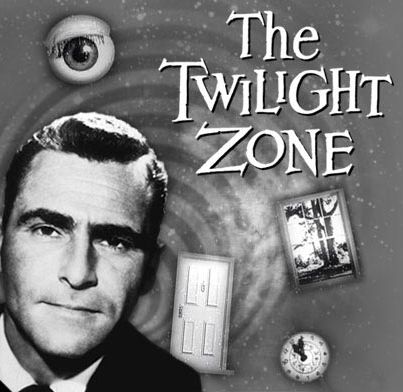
(Searchfortheunknown) The second pilot documentary in the In Search Of series: "In Search of Ancient Mysteries" (1975). The seventies were a time of disclosure and openmindedness before new and more powerful drugs were released into the society that put the kibosh on actual growth to welcome the Age of Aquarius. It was the dawning of the New Age, but not the realization of it. Why do the real thing when a synthetic substitute is cheaper, faster, and more profitable? So here we are, not much further along 35 years later. Of course, we have made a great deal of progress individually but not as a collective culture. This should remind us that the we is me; what I do is what we do, for that is the collective consciousness, and all we can do is contribute to it ourselves and by encouraging others. This episode is based on the book In Search of Ancient Mysteries by Alan and Sally Landsburg, narrated by Rod Serling of "Twilight Zone" fame.
Amber Dorrian, Seven, Macpherson, Pauper Poet (Wisdom Quarterly) 1960s: "Wonderwall" with George Harrison
Imagine a world where we all got along. Nothing divides us but our arbitrary categories and allegiances. We say we're this, not that. Imagine converting to all religions, clinging to none. Imagine accepting everyone, rejecting none. Imagine not judging, and without judgment, acceptance and compassion.
1970s: "In every dream home a heartache. And every step I take takes me further from heaven."Is there a heaven? I'd like to think so. Standards of living, they're rising daily. But home, O sweet home, it's only a saying..." (Roxy Music).
The Buddha's Dharma is universal and leads to light. There is no reason to reject anything or anyone. Nirvana's Kurt Cobain seemed to be onto something. But even before that, the Beatles understood, and Led Zeppelin imagining themselves traveling through Kashmir. Then Rave Culture caught on in the very next decade, first in the UK then the US. And there may be no better example of techno than Makai's remix of "Five Elements Ninja."
"Instead of money and power, rave called for empathy, intimacy, spirituality, and the joy of losing yourself in the crowd."
1980s: Rave culture is born
Of course many think the 90s were a dark period of materialism, blind ambition, and chemical drugs. But there was crunchiness and a longing for days gone by, as funny as it may seem that three decades on, the Sixties were still the only example of "peace, love, and happiness" many Americans had, that and Grateful Dead shows followed by Phish. This was followed in the aughts (00s) by endless free festivals that continue to this day.
1990s:Festivals, festivals, and more plans for festivals
Then the music industry fell into a dormant period, at least rock music did, until one Buddhism inspired some depressive Seattle slackers to wish for a "final end of suffering." The singer named his new band "Nirvana" as he tried to walk the path and cross over from the muddy banks of the Wishkah. It has smelled like Teen Spirit deodorant ever since. And in 1999, it culminated in a post-punk MTV orgy of violence and greed.
Kurt Cobain: "At this point I have a request for our fans. If any of you in any way hate homosexuals, people of different color, or women, please do this one favor for us... leave us the ***K alone! Don't come to our shows, and don't buy our records."
2000s: Y2K began in 1999 with MTV's version of Woodstock
The Fenians, Irish Republic Proclamation: "All men are born with equal rights, and in associating together to protect one another and share public burdens, justice demands that such associations should rest upon a basis which maintains equality instead of destroying it. We therefore declare that, unable longer to endure the curse of monarchical government, we aim at founding a republic, based on universal suffrage, which shall secure to all the intrinsic value of their labour" (The Irish People to the World 1867).
Suburban angst builds before Los Angeles rises
2010s:"And now The End is near. And so I face the final curtain. Ha, ha, ha. You can't, I'm not a queer. I'll state my case, of which I'm certain. I've lived a life that's full. I traveled each and every highway. And more, much more than this, I did it my way" (Sid Vicious).
 (W.W. Norton & Company)
 Rarely can we date with any precision the ebbs and flows of scientists’ research styles or intellectual approaches. Yet these transitions -- the how’s and why’s behind major shifts in a scientific field’s reigning questions and methods -- have long held a special fascination for me. We see laid bare in these moments a messy alchemy, intermixing the world of institutions with the world of ideas. Brilliant insights and dazzling discoveries take their place alongside political decisions, funding battles, personal rivalries, and cultural cues. These many ingredients combine to make one agenda seem worth pursuing in a particular time and place -- and worth teaching to students -- while quietly eclipsing other questions or approaches that had beckoned with equal urgency only a few years earlier. More